
Why Keys Snap — and Which Locks Are Most Affected
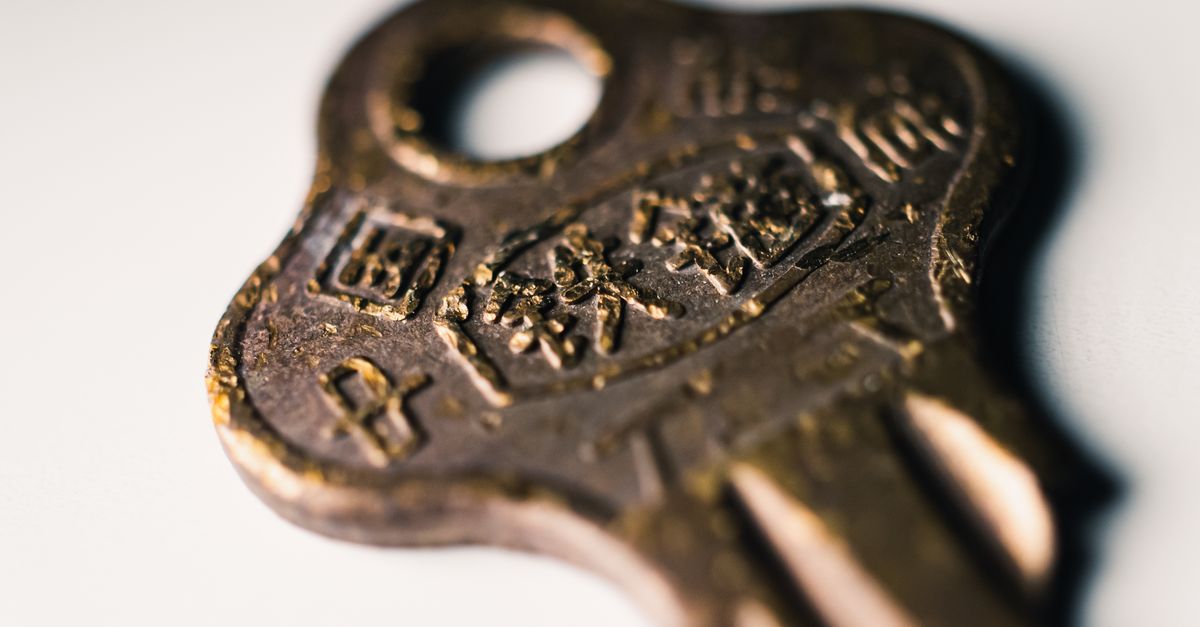
Keys fail for a handful of predictable reasons. Brass keys develop stress fractures over time, particularly near the bow — the part you grip — and near any cuts that happen to fall at a thin point in the blade. A lock that has not been lubricated for a while creates extra resistance, so the key takes more torque than it was designed for. Copies cut from copies compound the problem because each generation loses a little precision, making the key work harder inside the lock. In Walthamstow, as in most of inner east London, the most common door configurations are a Yale-type nightlatch at the top of the door paired with a 5-lever mortice deadlock lower down, or a uPVC or composite door fitted with a multipoint lock operated by a euro cylinder. Each of these presents a different extraction challenge.
Nightlatch cylinders are relatively shallow, so a broken key fragment may sit near the face of the plug and be accessible with a simple hook tool — but only if the keyway profile allows it. A 5-lever mortice deadlock has a longer, narrower keyway, and a fragment can travel further inside, sometimes rotating as it breaks and presenting an awkward angle. Euro cylinders are perhaps the trickiest: the pin stacks sit very close together, and a broken key can wedge against the pins and prevent them from moving at all, making it impossible to turn the cylinder even partially. Knowing which type of lock you have — and how far the fragment has travelled — shapes the entire approach before any tool is introduced.