Why Locks Seize, Jam or Stop Turning — and What It Means for Your Door
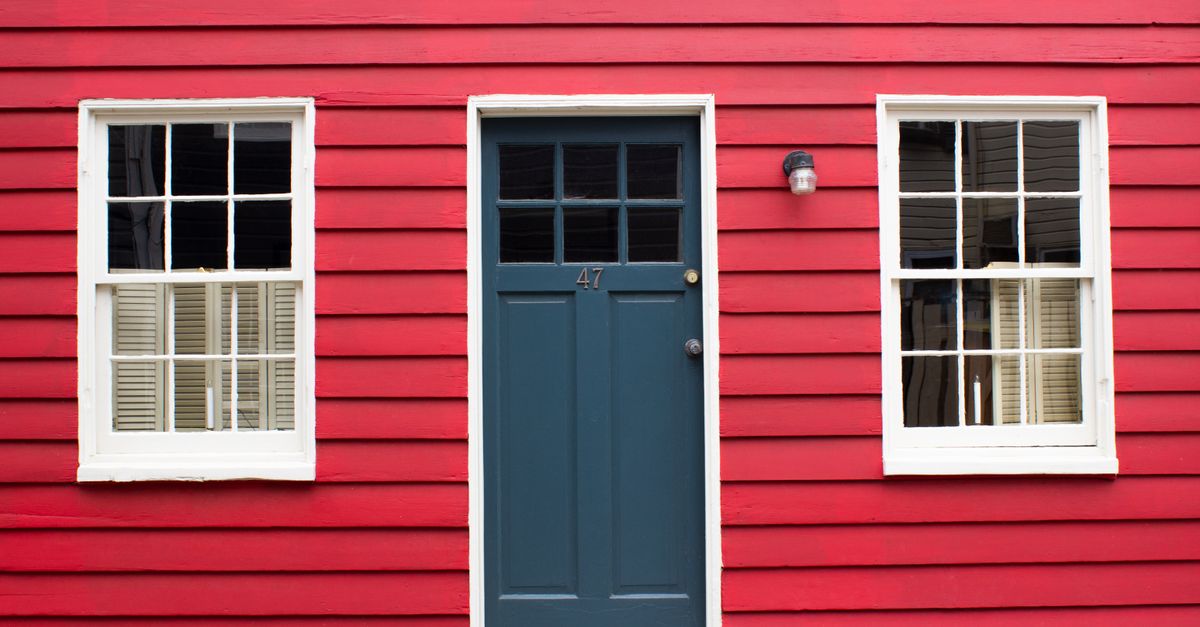
A lock rarely fails without a reason. The most common cause we find on Walthamstow call-outs is simple wear: the internal components of a mortice lock or nightlatch accumulate years of grime, the lubricant dries out, and the levers or springs lose their correct tension. On uPVC and composite doors the culprit is often a misaligned door sash — the door drops slightly on its hinges, the multipoint lock's keeps no longer line up, and the handle suddenly feels like it is lifting against solid resistance. Euro cylinders, which are standard on most modern flats and houses in Walthamstow, can also develop internal cracks or worn driver pins, particularly cheaper cylinders that were never anti-snap rated to begin with.
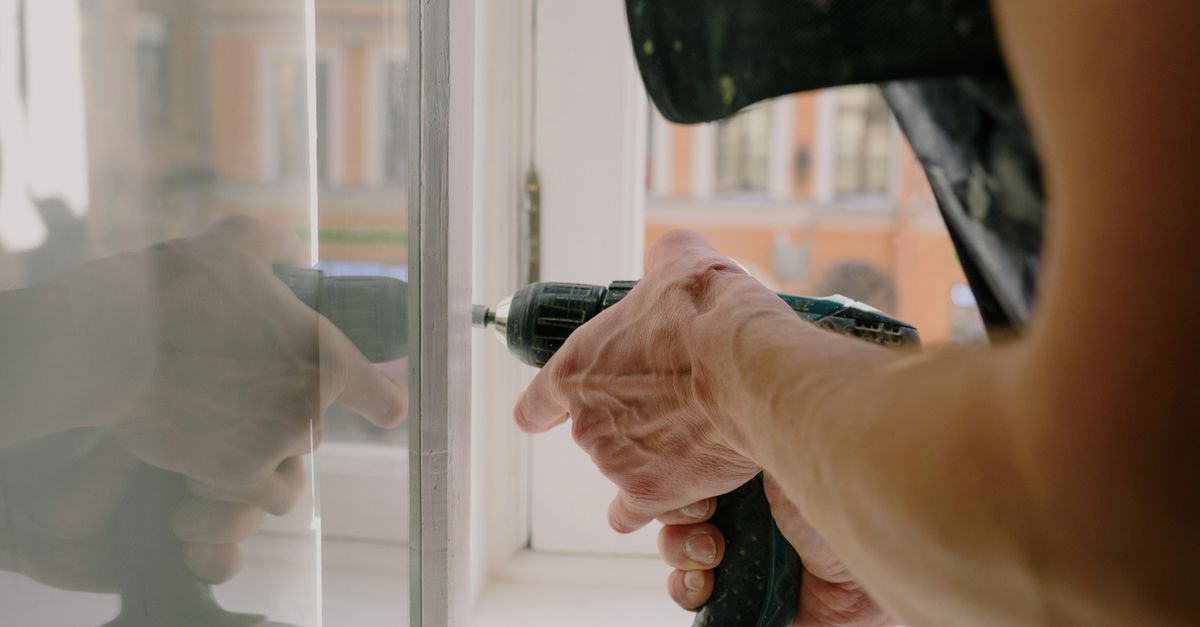
Other faults we regularly diagnose include broken cam mechanisms in cam lock fittings on internal cabinet or communal-door panels, rim lock casings that have suffered impact damage, and lever lock mechanisms where a broken spring has caused the bolt to stick in the extended position. In a small number of cases the key itself is the problem — a worn or slightly bent key applies uneven force to the levers, eventually damaging them. Whatever the underlying cause, an accurate diagnosis is the starting point for any repair, and that is exactly what our technicians carry out before recommending a course of action.