What a Lock Change or Cylinder Replacement Actually Involves
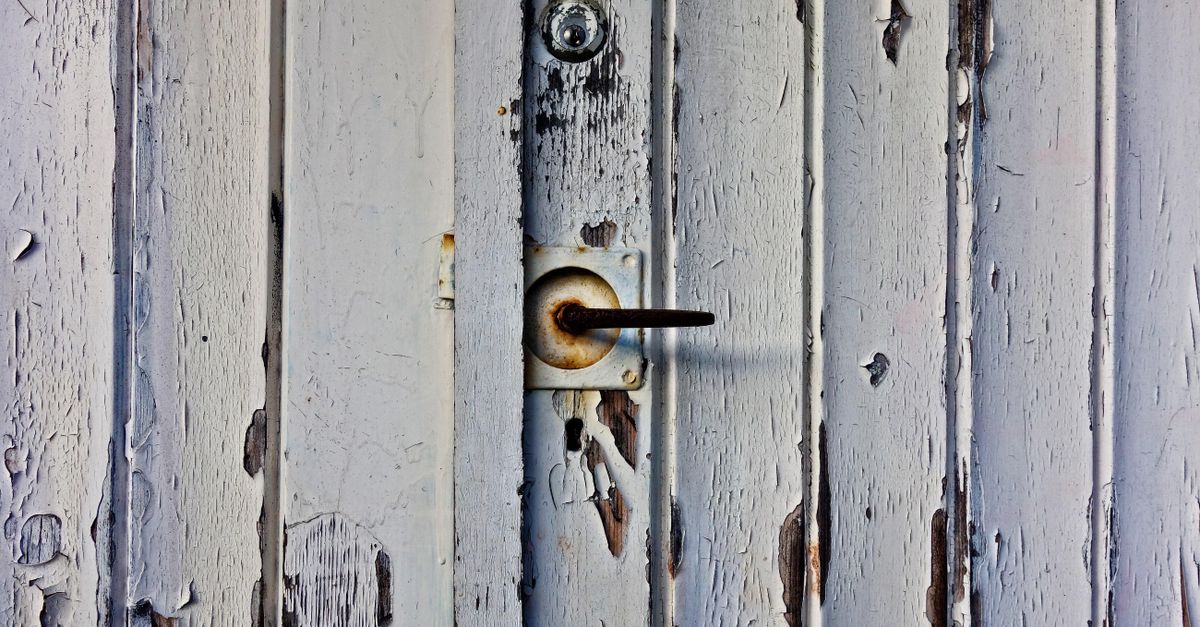
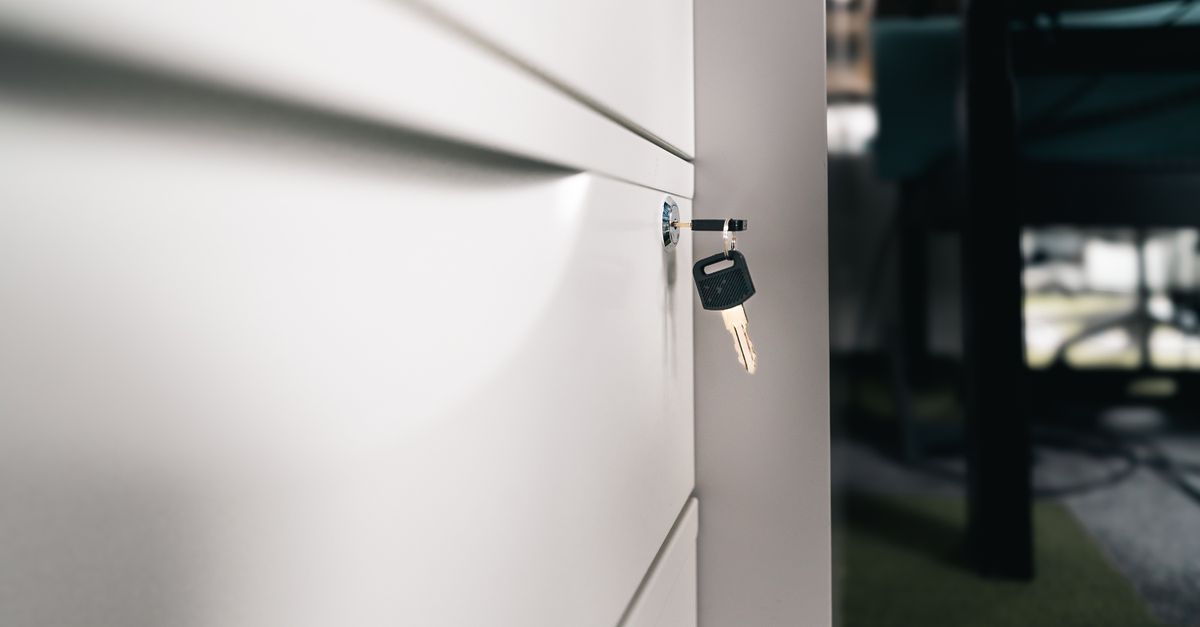
The term 'lock change' covers several distinct jobs, and understanding the difference helps you describe what you need on the phone. On a traditional timber front door you will usually find two separate mechanisms: a Yale-type nightlatch near the top and a 5-lever mortice deadlock lower down. Changing the nightlatch typically means fitting a new cylinder and sometimes a new case; changing the mortice deadlock usually means removing the entire lock body from within the door. On uPVC and composite doors — which are common throughout the newer housing developments and converted flats in Walthamstow — the door operates through a multipoint locking system driven by a euro cylinder. Here, a lock change is usually a cylinder-only swap, which is fast, clean, and leaves the door furniture untouched.
Euro cylinders do carry one important vulnerability: cylinder snapping. A burglar can snap a cylinder that protrudes too far from the door face and then manipulate the internal mechanism directly. Anti-snap cylinders, and in particular TS007 3-star rated cylinders, are designed to resist this. Many home insurers — including those used widely by Walthamstow landlords and housing associations — now specify BS3621-compliant locks on front doors as a condition of cover. When you call us, our technician will check what standard your existing hardware meets and recommend an upgrade if needed, so you are not left with a gap in your insurance.