How uPVC Multipoint Locks Fail — and Why It Matters
[2] The gearbox sits behind the door handle and is the engine of the entire multipoint system. Every time you lift the handle, the gearbox drives a series of shoot bolts, hook bolts and a central deadlock along a strip of steel running from top to bottom of the door. Over time — particularly on doors that are used dozens of times a day, or on doors that have dropped slightly on their hinges — the gearbox's internal nylon or metal cam wears down. The first warning signs are usually a stiff or sticky handle, a handle that lifts but does not feel like it is engaging anything, or shoot bolts that retract but refuse to extend again when you close the door. Left unaddressed, these faults escalate: the door may close but fail to lock, or lock but refuse to open from either side. At that point you have both a security failure and a potential lockout on the same door.
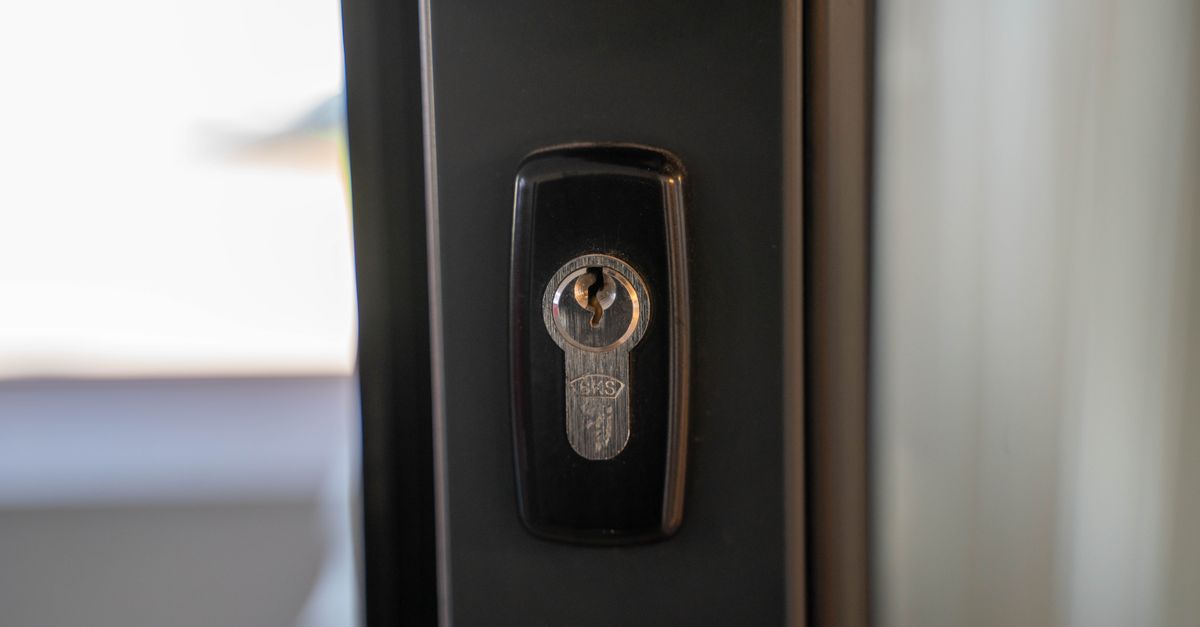
The euro cylinder — the barrel that your key turns — is a separate component from the gearbox, and it has its own failure modes. Cylinders on uPVC front doors are a known target for cylinder-snapping attacks across London. If your cylinder protrudes more than a few millimetres beyond the door furniture, it is vulnerable. During any uPVC door lock repair visit we assess the cylinder as well as the mechanism, and where a snap-resistant, TS007 3-star rated cylinder is appropriate we will explain that option clearly before proceeding.