What a Lock Change After a Break-In Actually Involves
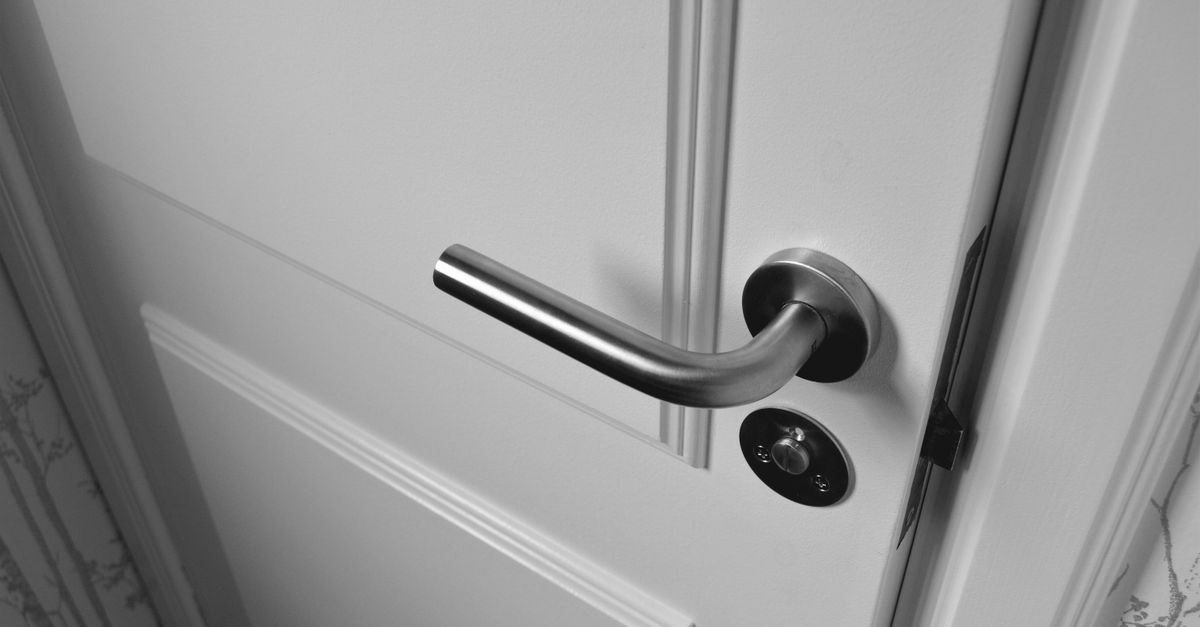
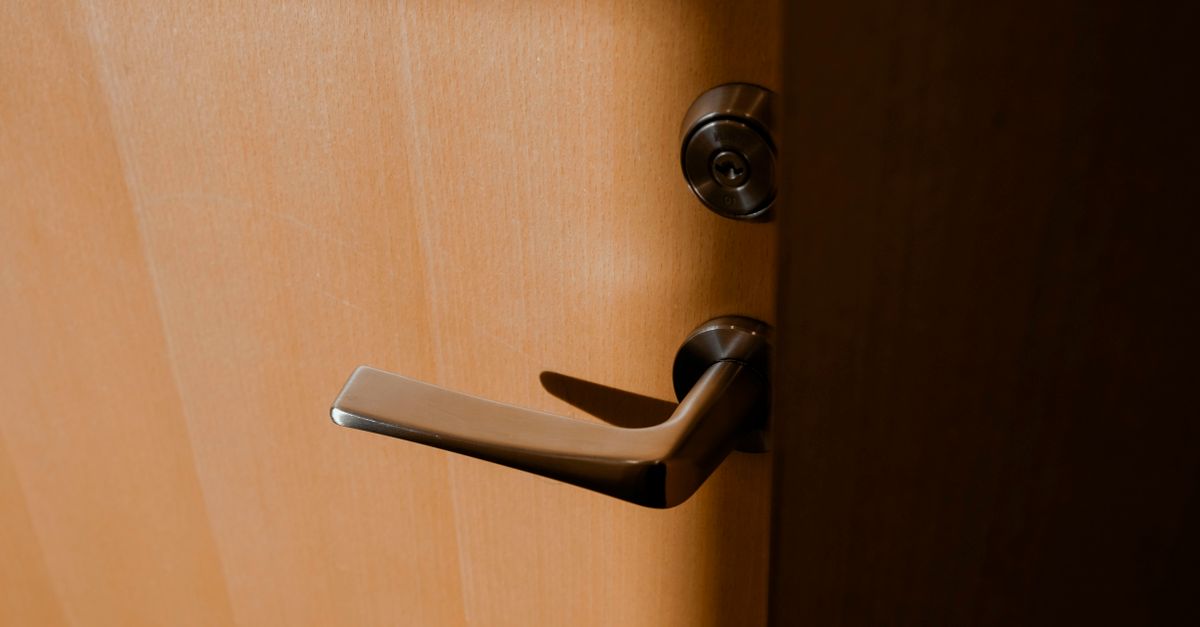
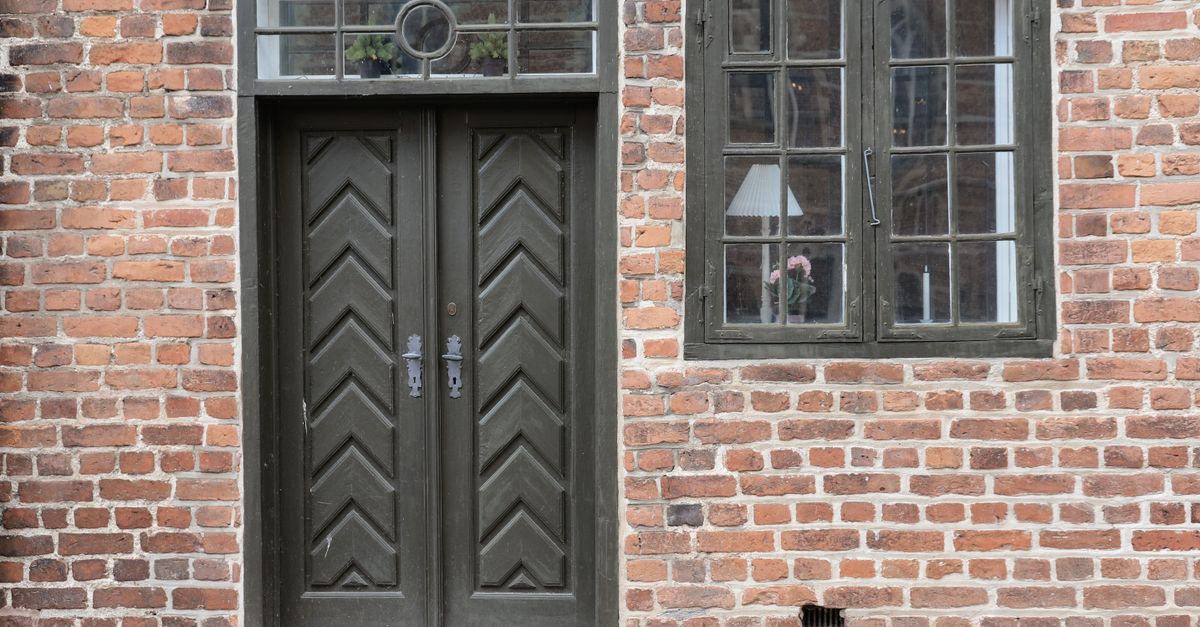
The term 'lock change' covers several different operations depending on the door type, and getting this right matters enormously after a forced entry. On a traditional timber front door you will typically have a Yale-type nightlatch and a 5-lever mortice deadlock — both need to be replaced, not just re-hung. On a uPVC or composite door the weak point is usually the euro cylinder, which can be snapped by an intruder using a technique known as cylinder snapping. After a break-in on this type of door, we replace the euro cylinder with an anti-snap, anti-pick, anti-drill cylinder — ideally a TS007 3-star rated unit — and check the multipoint locking mechanism itself for any deformation caused during the attack. On a composite or uPVC back door or patio door, the cylinder and locking points both need to be inspected before we sign anything off.
Where the door frame or lock keep has been physically broken, we carry out a damage-free replacement where the existing frame allows it, or we advise on a temporary boarding-up measure until a carpenter can attend — we will tell you honestly which applies in your case. The same thorough approach is taken whether this is a house lock change for a family home in Highams Park, an emergency lock change for a ground-floor flat near St James Street, or a commercial lock change for a retail unit on Wood Street Market. We do not use a one-size-fits-all approach, because break-ins are not one-size-fits-all events.